VieON features
VieON, 12-person team. Backend developer
Content-related features and backend work for video content and OTT product flows, from analysis and design to optimization and bug fixing.
Go, MySQL, MongoDB, Redis, Kafka
🎧 Hey, glad you're here!
Put on my theme song and take a little tour of my work with me.
Portfolio, 2026
Backend engineer. I build payment, wallet and content systems, choosing whatever tools fit the problem, with AI agents in the loop.
I've spent 6+ years on backend systems for an e-wallet, an OTT streaming platform, game launches and outsourced products. These days I'm at GooPay, working on wallet, payment and reconciliation services.
❯ interests --shuffle
life
Scroll, swipe or use the arrow keys
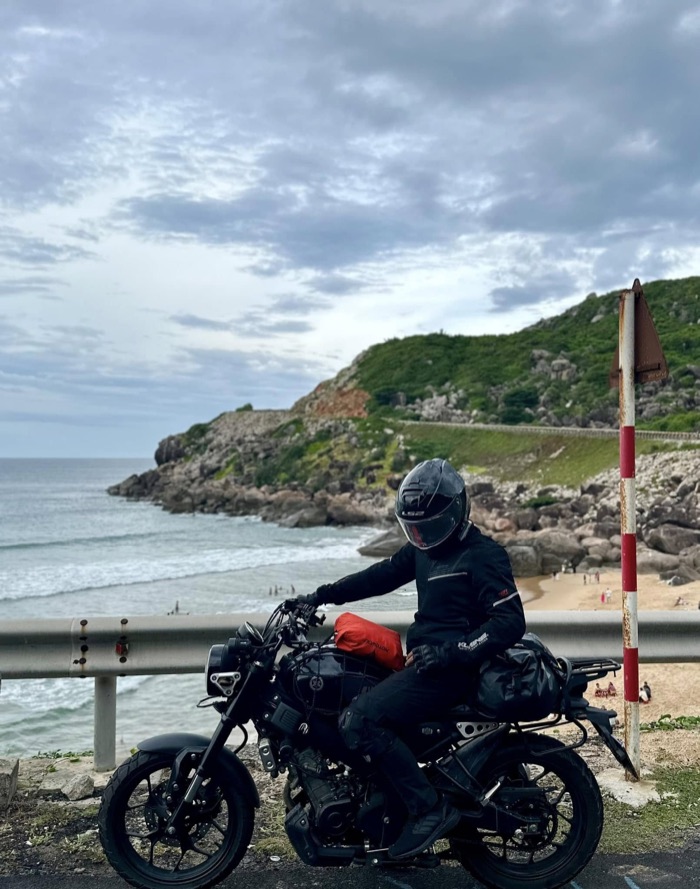
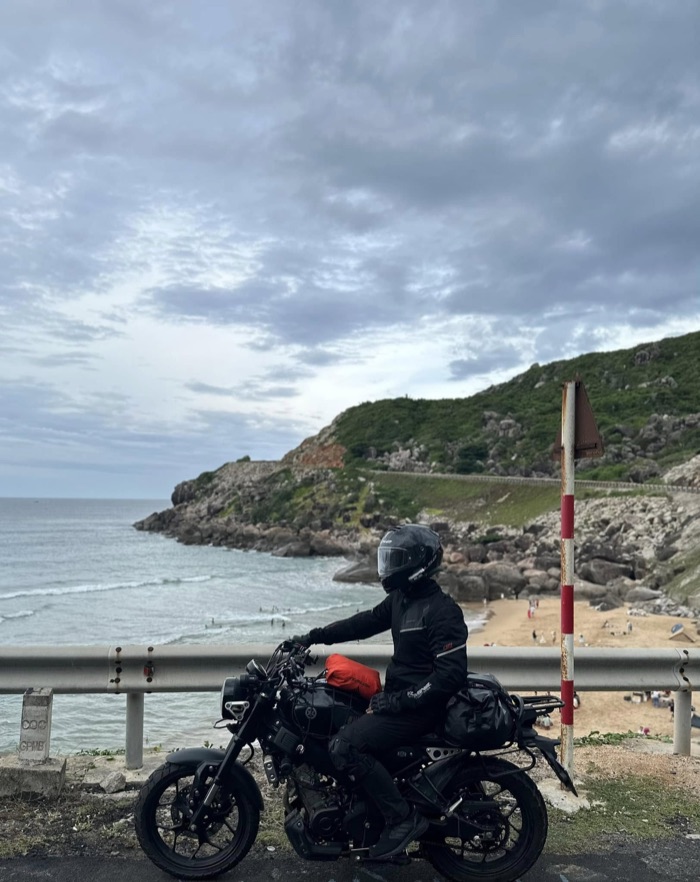
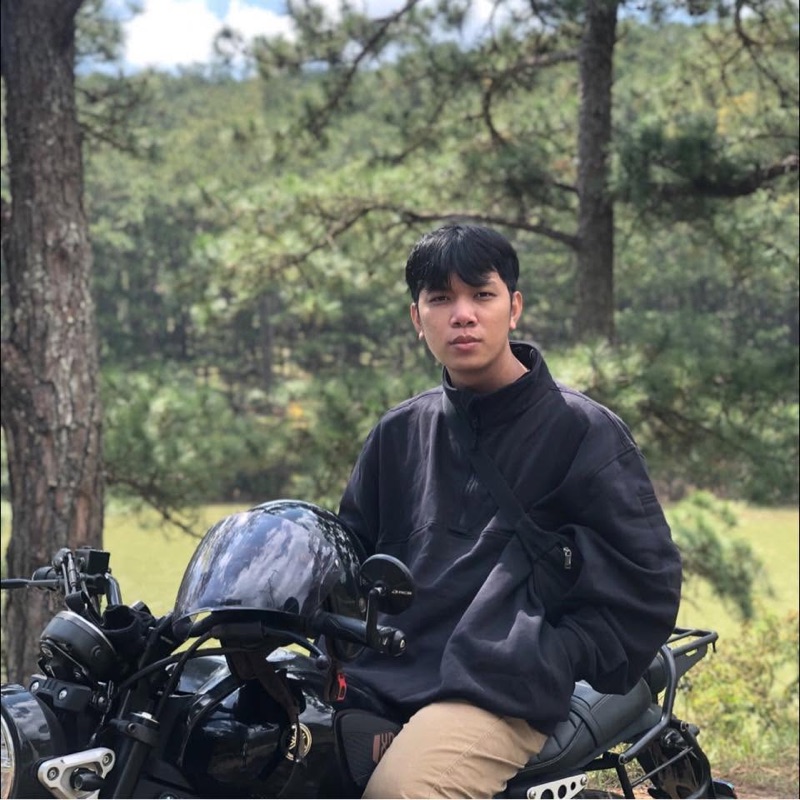
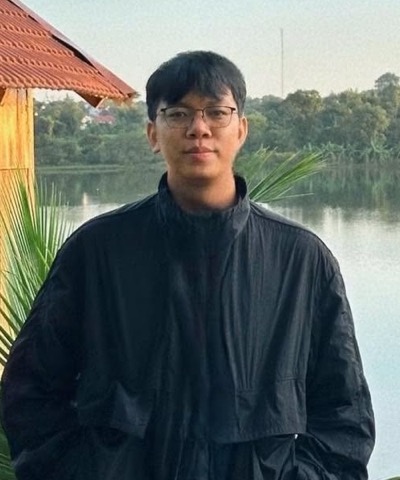
ClickTap to shuffle
A few habits I've picked up from building systems that handle money and media.
In payments, "it probably went through" isn't an answer. I design flows so each step leaves a record someone can follow when a number looks off.
Moving a core workload from MySQL to MongoDB at VieON taught me to start from access patterns, not from the schema I'm used to.
Complex financial flows get manageable when each step is its own component with a clear contract, coordinated through events.
I spend real time investigating production issues. That's where the gaps in a design show up, and where most of my optimization work starts.
Case study, GooPay, 2025 to now
A payment platform records each transaction in more than one place: its own wallet ledger and the financial data it receives from outside. Those records have to agree. Without automation, finding a mismatch means someone digging through records by hand, and that doesn't keep up as volume grows.
I designed an automated reconciliation service for the platform. It matches transactions across financial data sources and runs the reconciliation flow end to end, as one service inside a microservices, event-driven architecture.
Simplified flow
Case study, VieON, 2023 – 2025
VieON serves video content, Live TV and live events. A core workload behind that content ran on MySQL and leaned heavily on relational queries, which didn't match how the product actually reads content.
I designed and implemented the migration of that workload from MySQL to MongoDB. The main work wasn't moving rows; it was redesigning data structures and application access patterns around content-oriented workloads.
How reads changed, simplified
Before, MySQL
After, MongoDB
VieON, 12-person team. Backend developer
Content-related features and backend work for video content and OTT product flows, from analysis and design to optimization and bug fixing.
Go, MySQL, MongoDB, Redis, Kafka
VieON, 3-person team. Backend and frontend
The internal admin system for Video Content, Live TV, Live Events and user management. I worked on both the Go/Zend backend and the Vue.js frontend.
Go, Zend, Vue.js, TypeScript, MySQL, MongoDB
CMN Online, 1–2 person teams. Full stack
Teaser sites, game websites and mini-client web systems for game launches, plus player event flows: accumulation campaigns, gift-code rewards and lucky draws.
PHP, Laravel, MySQL, JavaScript
LCK Software, outsourcing
An anonymous chat and friend-finding app with real-time messaging over Socket.IO, and a rental platform for homestays, motels and hotels.
Laravel, Node.js, Socket.IO, MySQL, MongoDB
Side projects, on GitHub
Small macOS menu bar apps I build in Swift for my own daily setup, then publish for anyone to use.

Swift, macOS 14+, v0.2.1
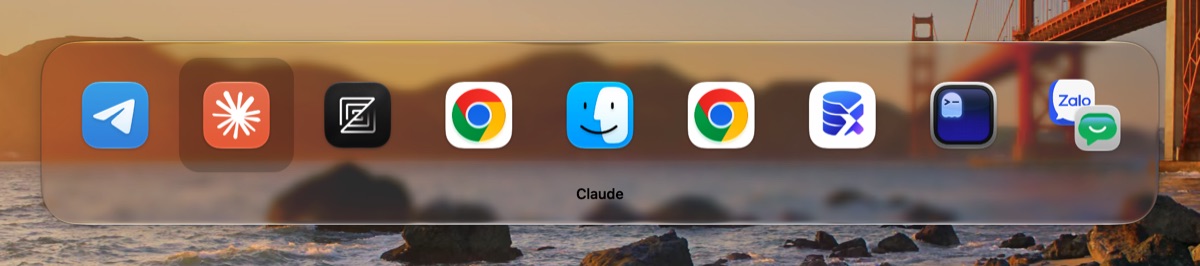
Windows-style Alt-Tab for macOS: pick any window, not just any app, across every Space, plus keyboard window management.

Swift, macOS 14+, v0.2.0
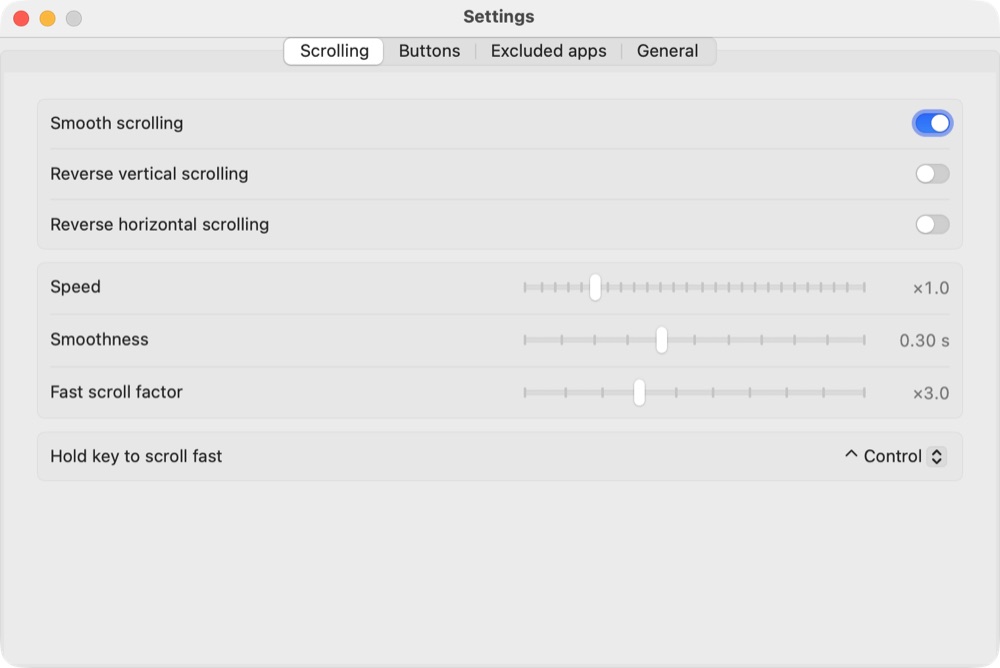
Smooth scrolling for notched mouse wheels and per-app mouse button mapping, without touching the trackpad settings.
More on github.com/quocmanhit.
Private workspace 🔒 private repo ⚒ 100% self-built
Every TUI you see here, the sidebar, the dashboards and the chat clients, is something I designed and coded myself in Rust, running on top of Ghostty, tmux and Claude Code / Codex. Here is a guided tour, with my AI chats and private messages blurred.
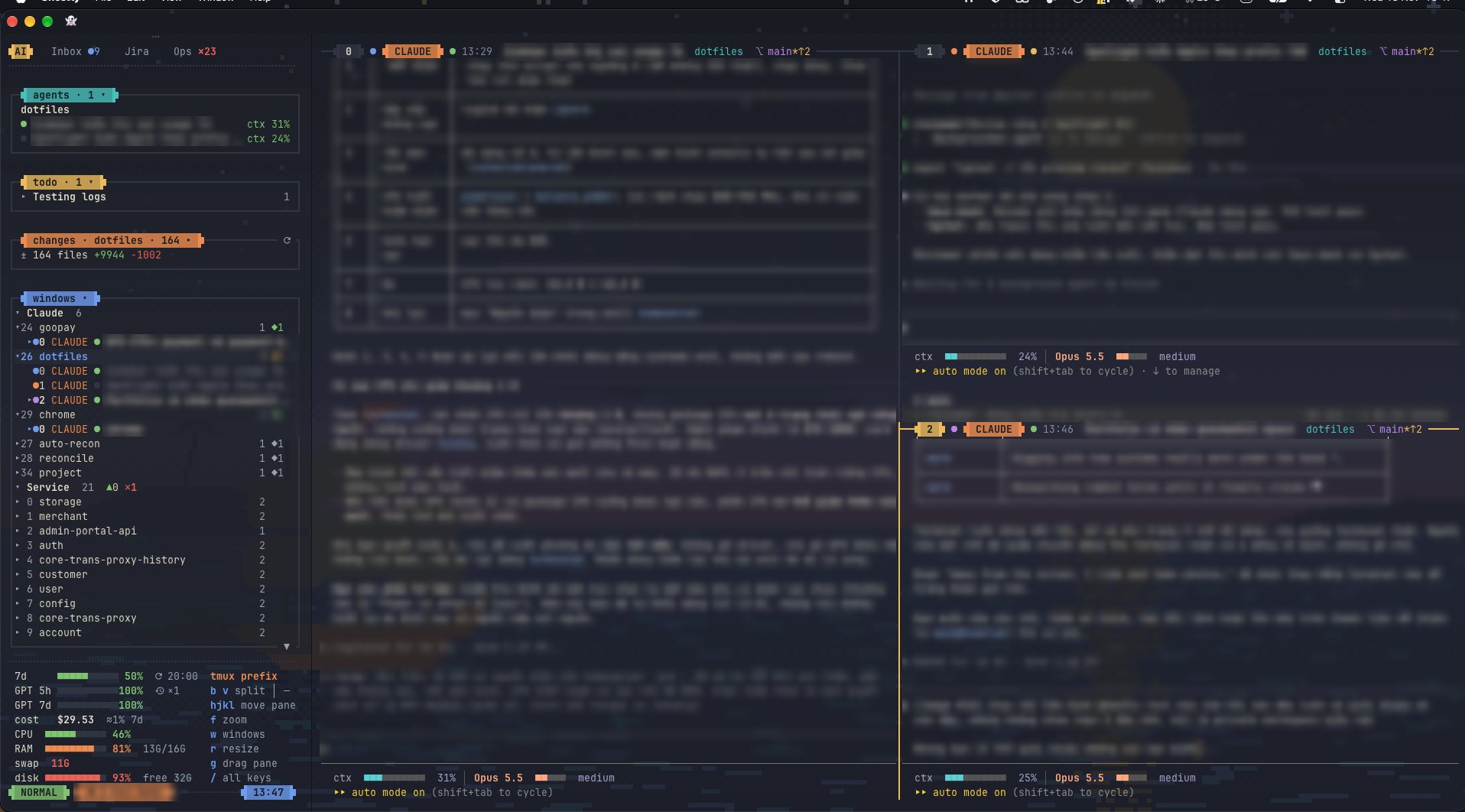
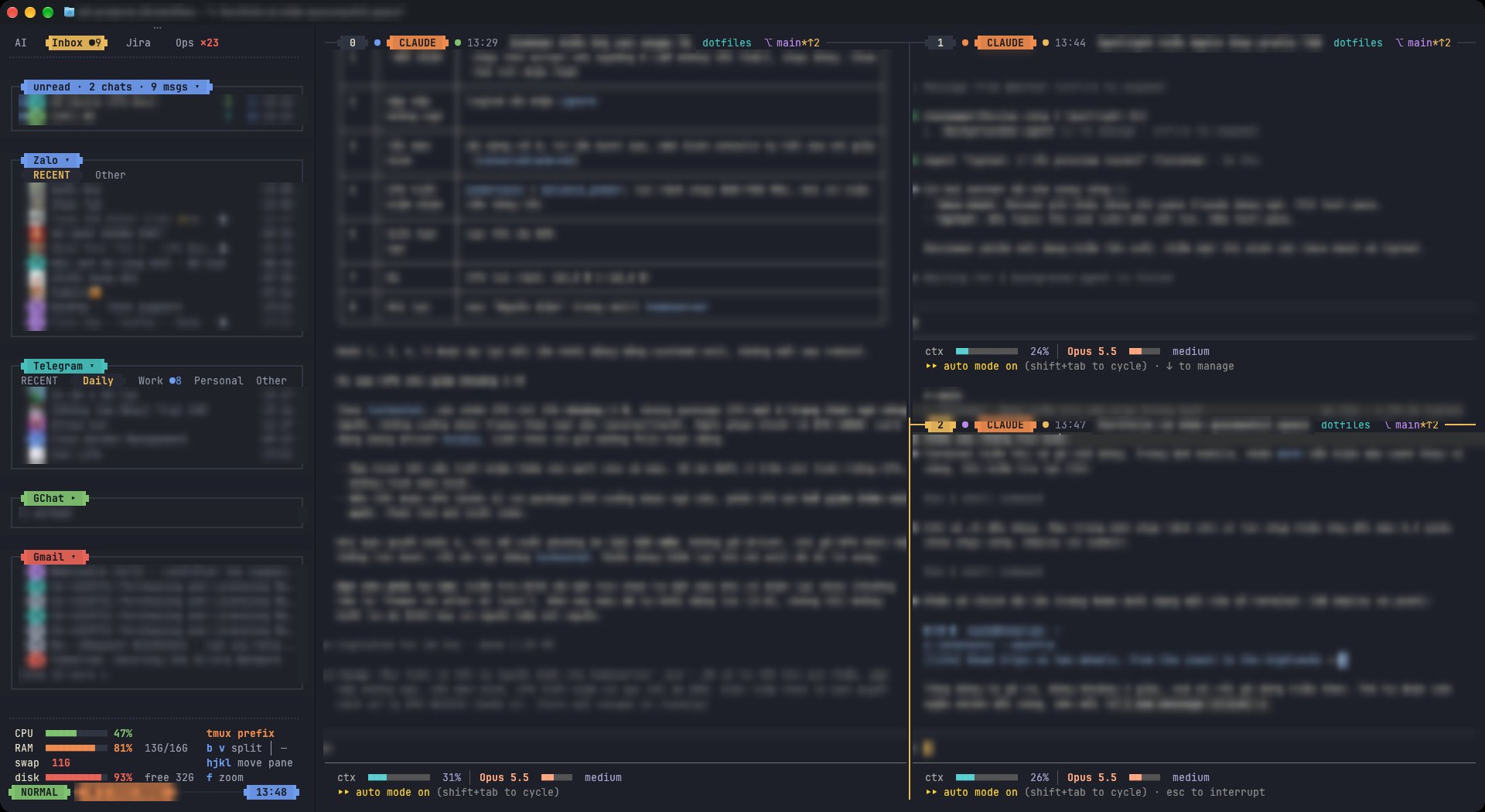
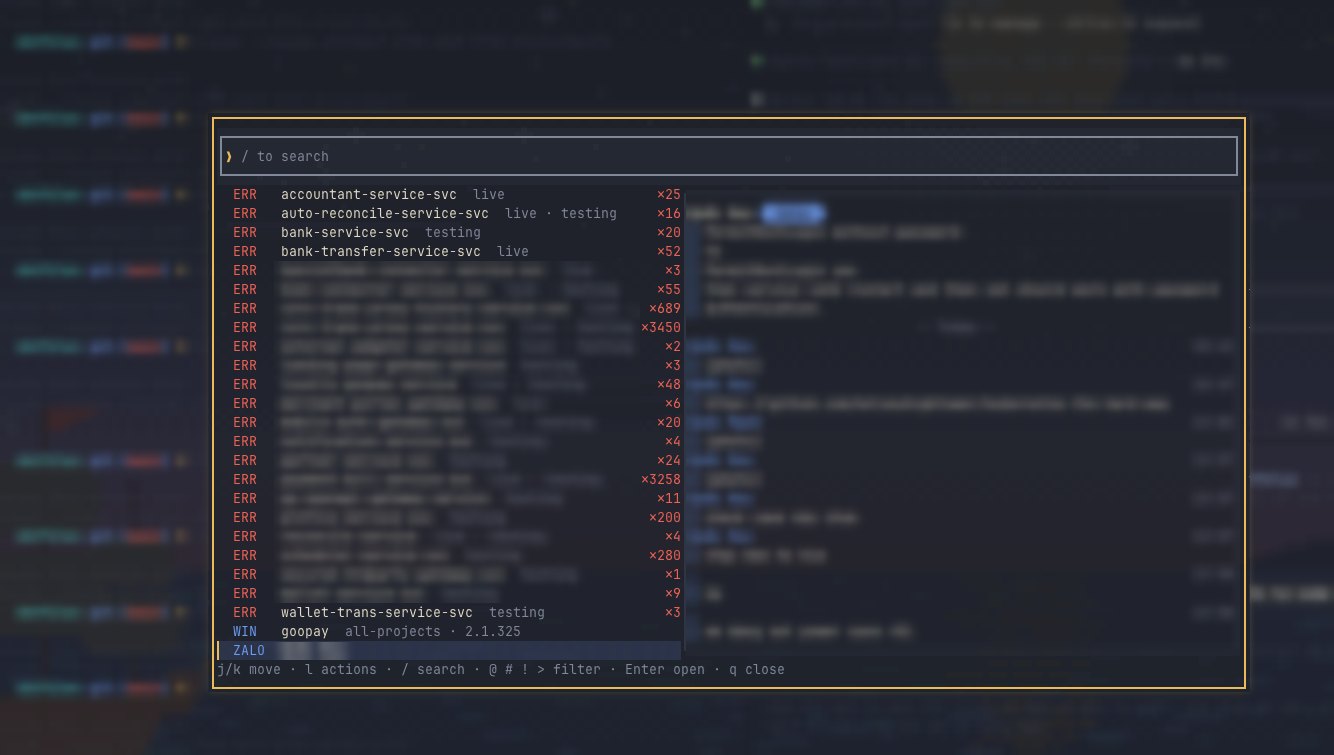
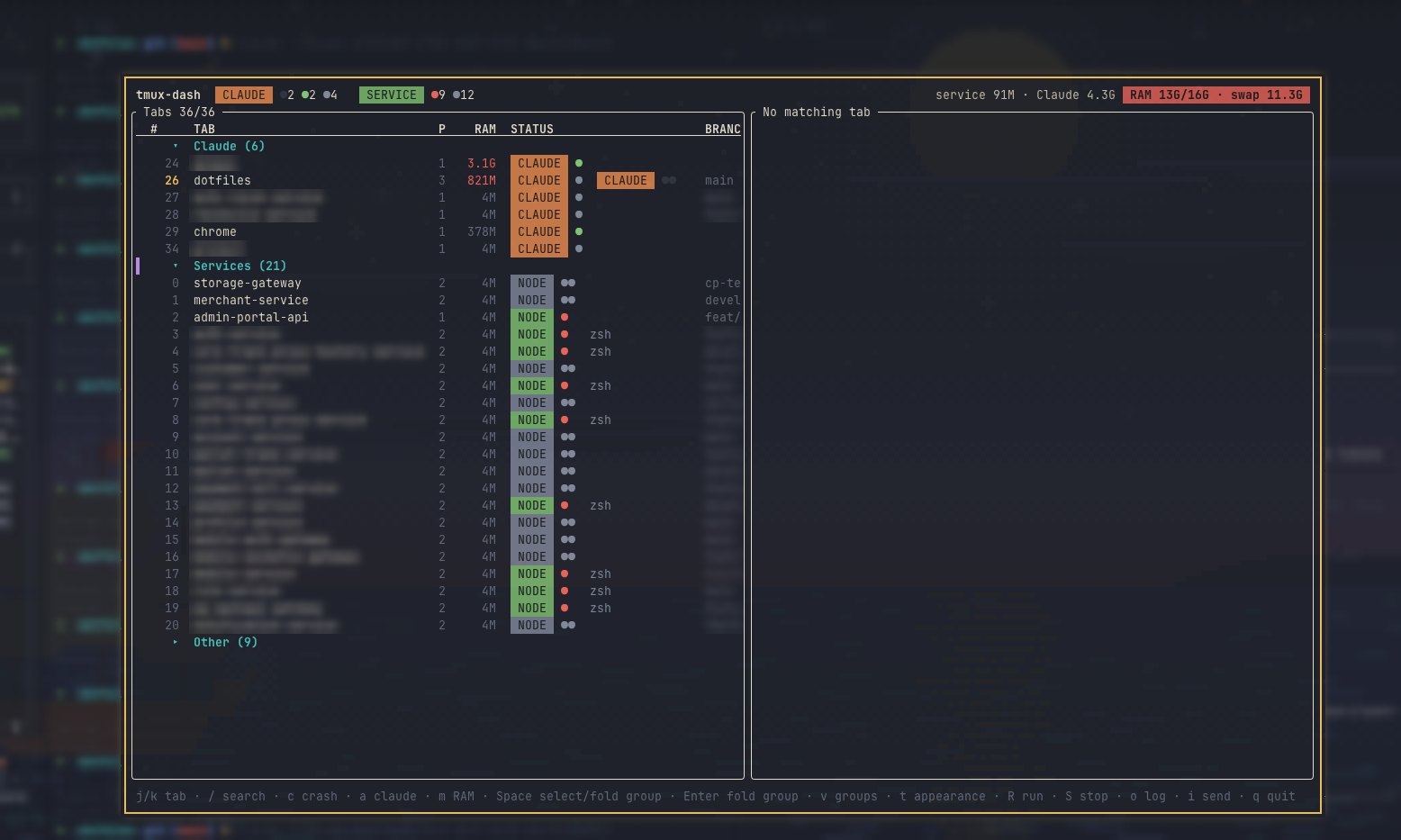
A set of Rust TUI apps I wrote myself, all sharing my own Tidebreaker color tokens, so the whole setup feels like a single app.
My own sidebar app: each Claude Code and Codex session reports working, waiting or done through hooks I wrote, so one glance shows them all, plus todos and git changes.
Several agents side by side, with worker and reviewer roles and skills shared between Claude and Codex.
A popup I built to jump to anything in one place: panes, service errors pulled from logs, windows and chats, with a live preview on the right.
My dashboard for every tmux tab: RAM, Claude and service status, git branch, and keys to run, stop, tail logs or send commands without leaving the keyboard.
I wrote my own terminal clients for Google Chat, Telegram and Zalo, plus a Gmail sync, and rolled them into one Inbox tab.
Self-made dashboards for AI usage and cost, CPU, RAM and disk, with my own Jira and Ops tabs one keystroke away.
Full history on LinkedIn.
Thanks for reading. I'm open to backend engineering roles and happy to talk about system design.